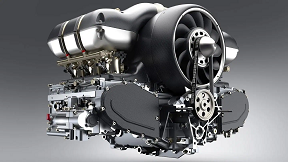
Low-Mileage Used Engine vs High-Mileage Original Engine: Which One Should You Trust?
enginenexus.comWhen it comes to replacing an engine, car owners often face a significant dilemma: should they opt for a low-mileage used engine or stick with their high-mileage original engine? Both choices have their merits and shortcomings, and understanding these can make all the difference in your vehicle's performance and longevity. In this comprehensive guide, we will delve into the advantages and disadvantages of each option, providing you with the insights needed to make an informed decision. With the right knowledge, you can ensure that your vehicle remains reliable and efficient for years to come.
Low-mileage used engines are often seen as a safe bet for vehicle owners looking to replace a failing or damaged engine. The primary advantage of choosing a low-mileage engine is that it typically has less wear and tear compared to older, high-mileage engines. With fewer miles on the clock, these engines are less likely to have developed significant issues, translating to potentially lower repair costs and a longer lifespan. Additionally, many low-mileage engines are sold with a warranty, providing an added layer of assurance for buyers. This warranty can cover various parts of the engine, offering peace of mind in case of unforeseen problems. Moreover, these engines are often sourced from vehicles that have been well-maintained, contributing to their reliability.
However, it is essential to note that not all low-mileage engines are created equal. The history of the vehicle from which the engine was sourced plays a crucial role in determining its condition. An engine taken from a wrecked car might have been in a collision, leading to hidden damages that are not immediately apparent. Therefore, it is vital to do thorough research and ask for detailed information regarding the engine's history before making a purchase. Furthermore, while low-mileage engines offer the allure of potential reliability, they can also come with a higher price tag, especially if sourced from reputable dealers. This cost can sometimes negate the financial benefits associated with engine replacement.
On the other hand, opting for a high-mileage original engine can be a double-edged sword. A high-mileage engine that has been properly maintained can still provide reliable performance and longevity. Many vehicle owners trust their original engines because they have a familiarity with their performance, quirks, and maintenance history. This trust can be invaluable, especially if the engine has been regularly serviced and has had all necessary repairs performed. Additionally, retaining the original engine can maintain the vehicle's value and authenticity, which is particularly important for classic cars and collectors. The emotional connection to a vehicle often makes the decision to keep the original engine even more compelling.
Nonetheless, high-mileage engines come with their share of risks. As mileage accumulates, wear and tear on engine components can lead to various issues, from minor leaks to significant mechanical failures. Common problems in high-mileage engines include oil consumption, valve wear, and gasket deterioration. These issues can lead to costly repairs if not addressed promptly. Moreover, as parts age, they may become more susceptible to failure, meaning that an owner could face unexpected breakdowns and the associated costs. Therefore, while a high-mileage original engine may have sentimental value and a known service history, it is crucial to weigh these factors against the potential risks and financial implications.
Ultimately, the decision between a low-mileage used engine and a high-mileage original engine hinges on several factors, including budget, vehicle condition, and personal preferences. If you prioritize reliability and lower long-term costs, a low-mileage used engine might be the better option. Conversely, if you have a strong emotional attachment to your vehicle and trust its original engine's history, investing in repairs and maintenance could be more suitable. It's also wise to consult with a trusted mechanic who can provide insights based on your vehicle's specific needs and condition. Making an informed decision today could save you from costly repairs and downtime in the future.
Frequently Asked Questions (FAQs)
1. Are low-mileage used engines reliable?
Yes, low-mileage used engines are generally reliable, but their condition depends on the vehicle's maintenance history and how well the engine was cared for prior to the sale. It's crucial to obtain detailed history and possibly have a mechanic inspect the engine before purchase.
2. How do I know if my high-mileage engine is worth keeping?
If your high-mileage engine has been well-maintained, shows no signs of significant wear or failure, and runs smoothly, it may be worth keeping. Regular oil changes, timely repairs, and a good service history are positive indicators.
3. What should I look for when purchasing a low-mileage used engine?
When purchasing a low-mileage used engine, it's essential to check its history, including previous repairs, maintenance records, and whether it comes with a warranty. Additionally, consider having a mechanic inspect it to identify any potential issues.
4. Can I trust the warranty offered on a low-mileage used engine?
Warranties on low-mileage used engines can vary significantly. It's essential to read the fine print and understand what is covered. Reputable dealers typically offer better warranties, giving you more confidence in the engine's reliability.
For personalized quotes and expert advice, reach out to us today!
```